
Brand Direction
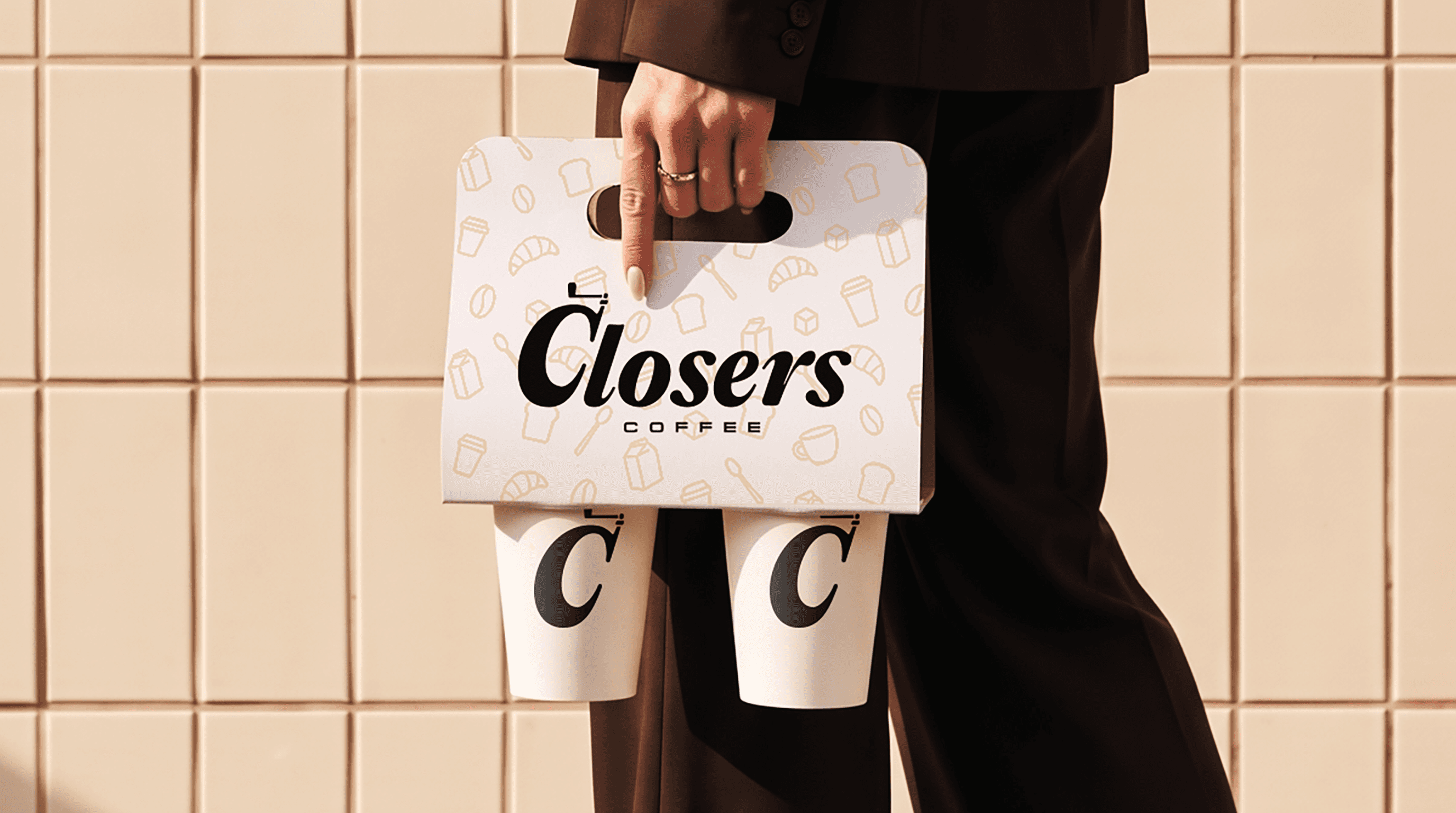
Founded by Will Leech, Closers is an Atlanta coffee brand built for people in motion. BGG helped define its positioning, voice, audience, visual identity, and digital presence around a simple idea: coffee is not the reward. It is the ritual that prepares you to earn it.

At a Glance
Challenge
Create a differentiated coffee brand in a crowded Atlanta market without relying on the same origin, roasting, and craft narratives used throughout specialty coffee.
BGG Role
Brand strategy, competitive research, positioning, messaging, identity, creative direction, and landing-page design.
Key Work
Brand discovery workshop
Competitive audit
Mission, vision, and values
Audience definition
Brand positioning
Brand voice
Brand identity
Logo system
Brand guidelines
Photography direction
Social direction
Landing page
Audience
Ambitious, motivated, experience-oriented consumers, with an early business focus on corporate amenity spaces and professional environments. Corporate catering, office buildings, law firms, real estate offices, and amenity bars are all part of the business model.
Year
2025


Business Context
Atlanta already had a mature specialty-coffee scene.
The competitive audit showed strong local brands occupying distinct positions: design-driven lifestyle, premium coffee craft, neighborhood hospitality, understated roasting credibility, and upbeat culture.
The opportunity for Closers was not to tell another story about sourcing or roasting. The client wanted the brand itself to carry a culture built around ambition, momentum, purpose, and the ritual of getting ready to perform.


Challenge
How do you create a premium coffee brand that feels ambitious without becoming cold, motivational without becoming cliché, and culturally relevant without simply copying the visual language of Atlanta’s existing coffee shops?
Insight
The differentiator was not coffee as comfort. It was coffee as readiness.
During the workshop, the brand repeatedly returned to ideas such as driven, focused, motivated, disciplined, finishing what you start, moving with intention, and creating a daily ritual that helps people move toward something. That led to the brand idea: Respect the Grind. The line works on two levels: the physical grind of coffee and the mental discipline required to pursue progress.
Strategy
& Creative Approach
Build the brand around ritual rather than product claims.
The finished brand foundation defines:
Purpose
Honor the pursuit by facilitating a ritual that fuels the grind, sharpens focus, and prepares people to earn their reward.
Vision
Transform coffee from comfort into readiness.
Mission
Serve clarity through every cup and interaction, turning everyday coffee moments into deliberate, repeatable rituals.
The brand personality was defined through Quiet Confidence, Warm Precision, Earned Taste, Calm Energy, and Clear Intent.


Capture
Workshop with the founder and collaborators, review the market, define audience goals, triggers, behaviors, aspirations, and competitive context.
Curate
Distill the workshop into mission, vision, values, positioning, personality, voice, brand line, and visual direction.
Construct
Create the logo system, typography, palette, imagery direction, brand guidelines, social direction, application concepts, and landing page.
Circulate
Prepare the system to scale across packaging, signage, carts, social, digital, and future physical locations.


The Work
Positioning
Coffee as ritual, preparation, and earned progress.
Brand Line
Respect the Grind.
Voice
Clarity First
Truth Always
Proof Built
Visual Identity
Primary mark
Secondary lockup
Emblem
Defined color system
Role-driven typography
Photography
Natural Light
Real Texture
Quiet Motion
Warm Grade
Close Focus
Applications
Packaging
Signage
Coffee carts
Social
Landing page
The brand guidelines explicitly define the system across those physical, digital, and experiential touchpoints.


Outcome
Closers now has a complete strategic and visual brand foundation designed to scale across digital, packaging, corporate amenity bars, social content, and future physical retail environments.


