Brand Direction · Content Direction · Experience Direction
The Match House was created to offer Atlanta a different way to experience the world’s game. BGG helped build the venture across brand, digital, content, marketing, programming, sponsorship, interior design, and the live guest experience.

At a Glance
Challenge
Launch an unknown brand and physical venue in a short window, then give people a reason to choose it during one of Atlanta’s busiest international sporting moments.
BGG Role
Venture co-creator
Strategy lead
Experience lead
Brand creator
Commercialization partner
Marketing lead
Key Work
Concept Development
Business Modeling
Brand Strategy
Brand Identity
Marketing Strategy
Audience Development
Experience Design
Programming Strategy
Sponsorship Development
Partnership Development
Content Production
Social Strategy & Content
Website Design & Development
Interior Design
OOH · Marketing Collateral
Copywriting
Performance Optimization
Audience
Culture-First Guests
Global Guests
Corporate Hosts
Devoted Supporters
Platforms / Touchpoints
Physical venue
Website
Influencer
Eventbrite
OOH
On-site brand experience
Year
2026


Business Context
Atlanta was preparing for one of the largest international soccer moments in a generation. The opportunity was not simply to create another place to watch matches. It was to build a destination with its own reason to exist.
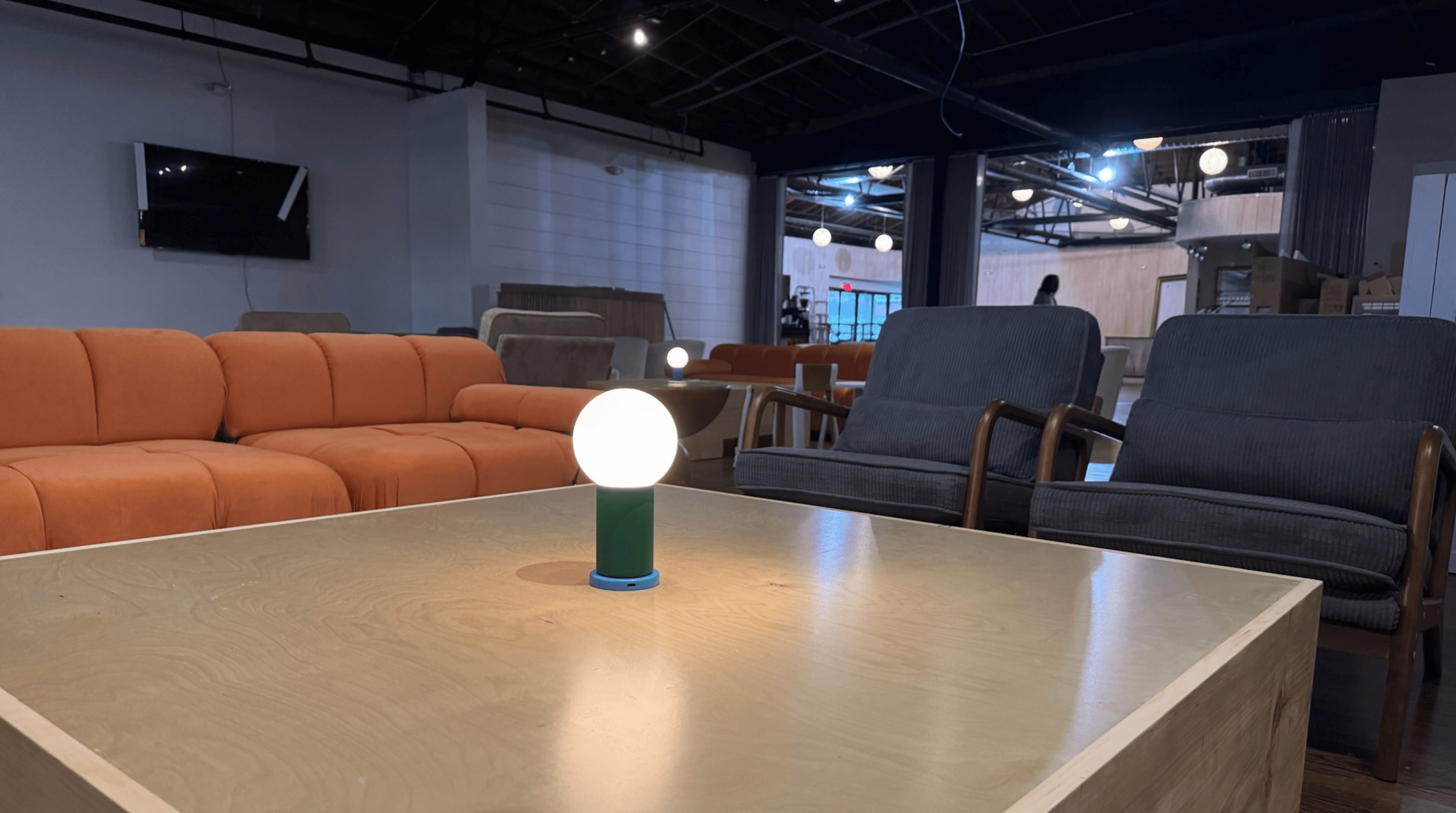
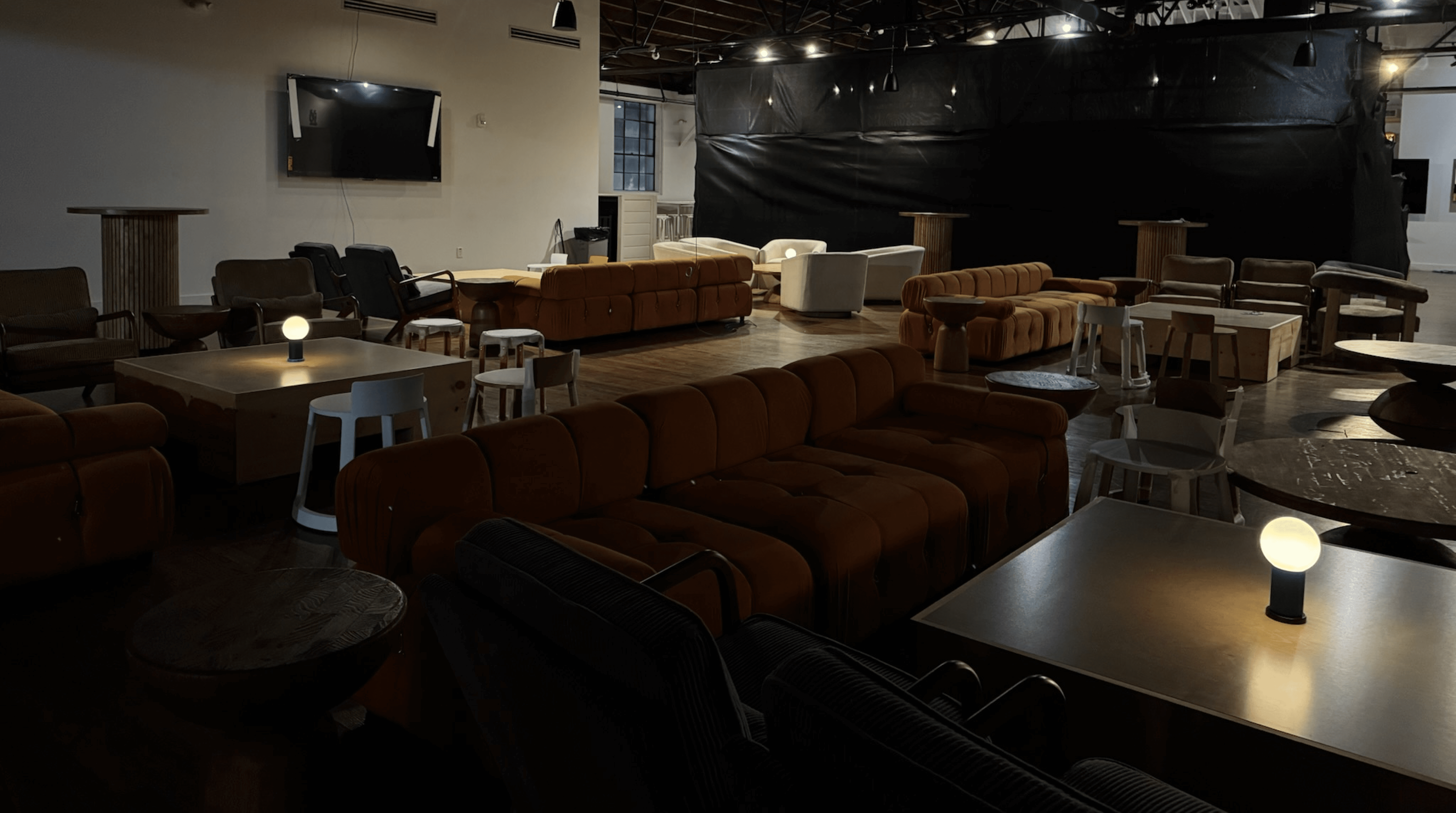
The Match House was designed around the larger matchday ritual: arrival, anticipation, food, music, community, viewing, celebration, and the moments surrounding the game itself.
The marketing challenge was equally significant. The brand launched from essentially zero awareness and had a limited window to build an audience, establish credibility, and turn that attention into attendance. The campaign wrap-up describes the journey as moving from “an empty room to a sold activation,” with paid reach manufacturing the initial audience and social and creators building credibility and FOMO.









Challenge
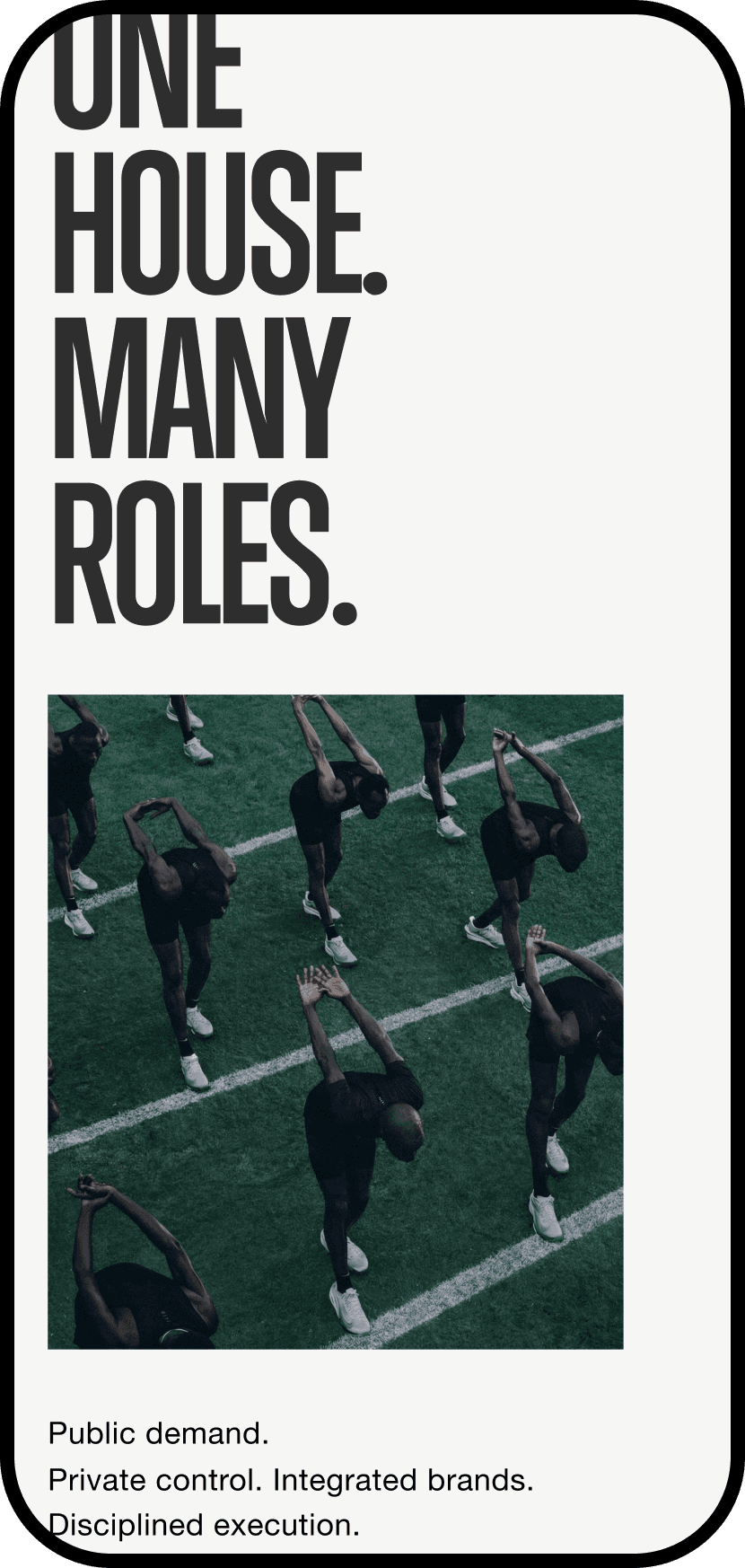
How do you build a new brand, launch a temporary venue, create a differentiated experience, and generate attendance when the audience does not yet know you exist?
Every touchpoint needed to work together. Identity, digital, content, venue design, programming, sponsorship, marketing, and the guest experience.
Insight
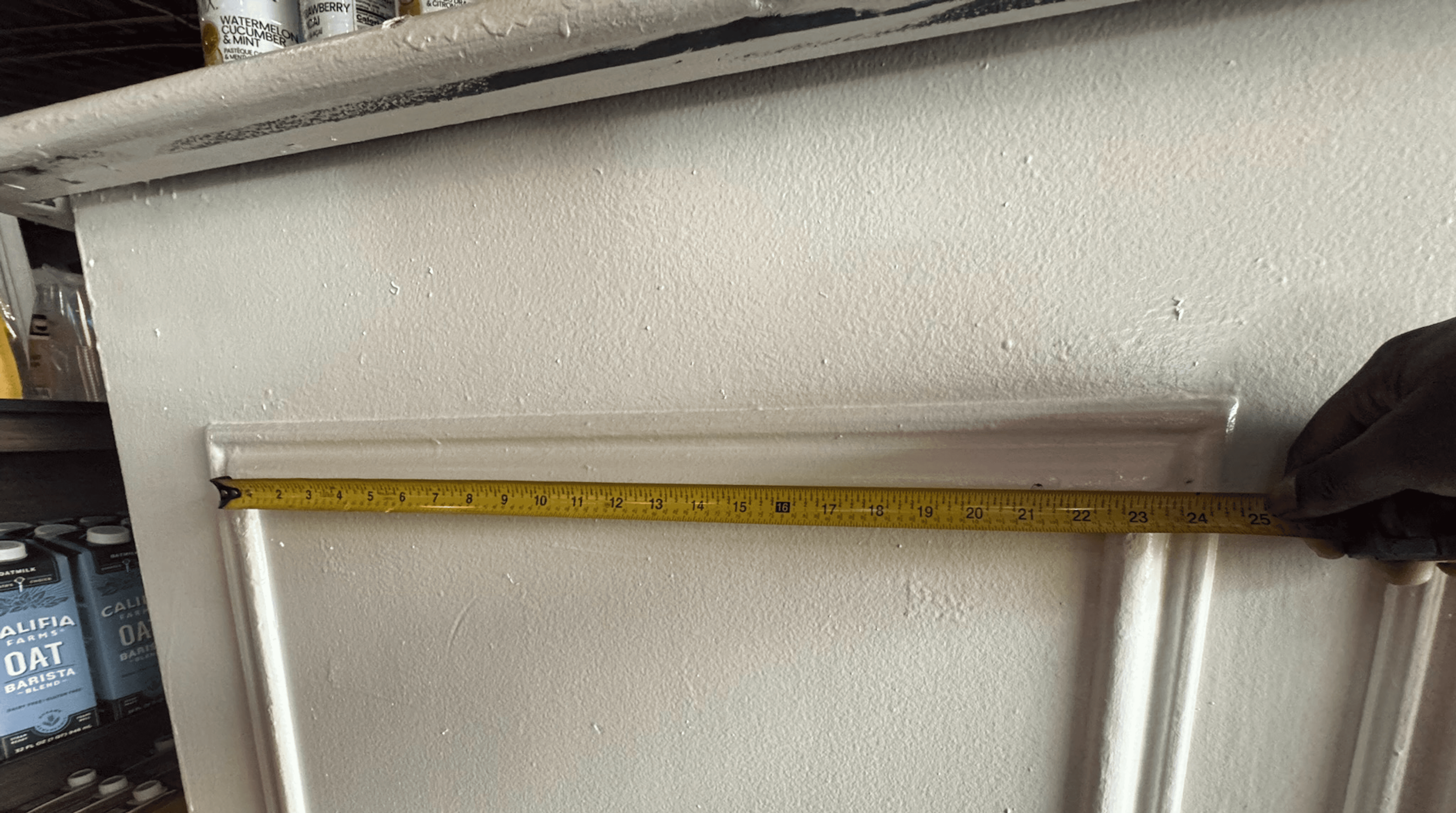
The match would bring people in, but the match alone could not make The Match House distinctive. The opportunity was to design everything around the emotion and culture surrounding matchday, creating a place where the game, food, design, music, hospitality, and community felt like one connected experience.
Strategy & Creative Approach
Build one integrated brand and experience system instead of treating the venue, marketing, and creative as separate initiatives. Brand created recognition. Programming created reasons to attend. Experience design delivered the promise.
Content showed people what they were missing. Marketing created discovery.
Creators supplied social proof. Digital channels converted attention into attendance.


Capture
Understand the audience, cultural opportunity, hospitality expectations, matchday behavior, competitive landscape, and operational constraints.
Curate
Define the brand, audience priorities, guest journey, messaging, creative direction, programming structure, and marketing approach.
Construct
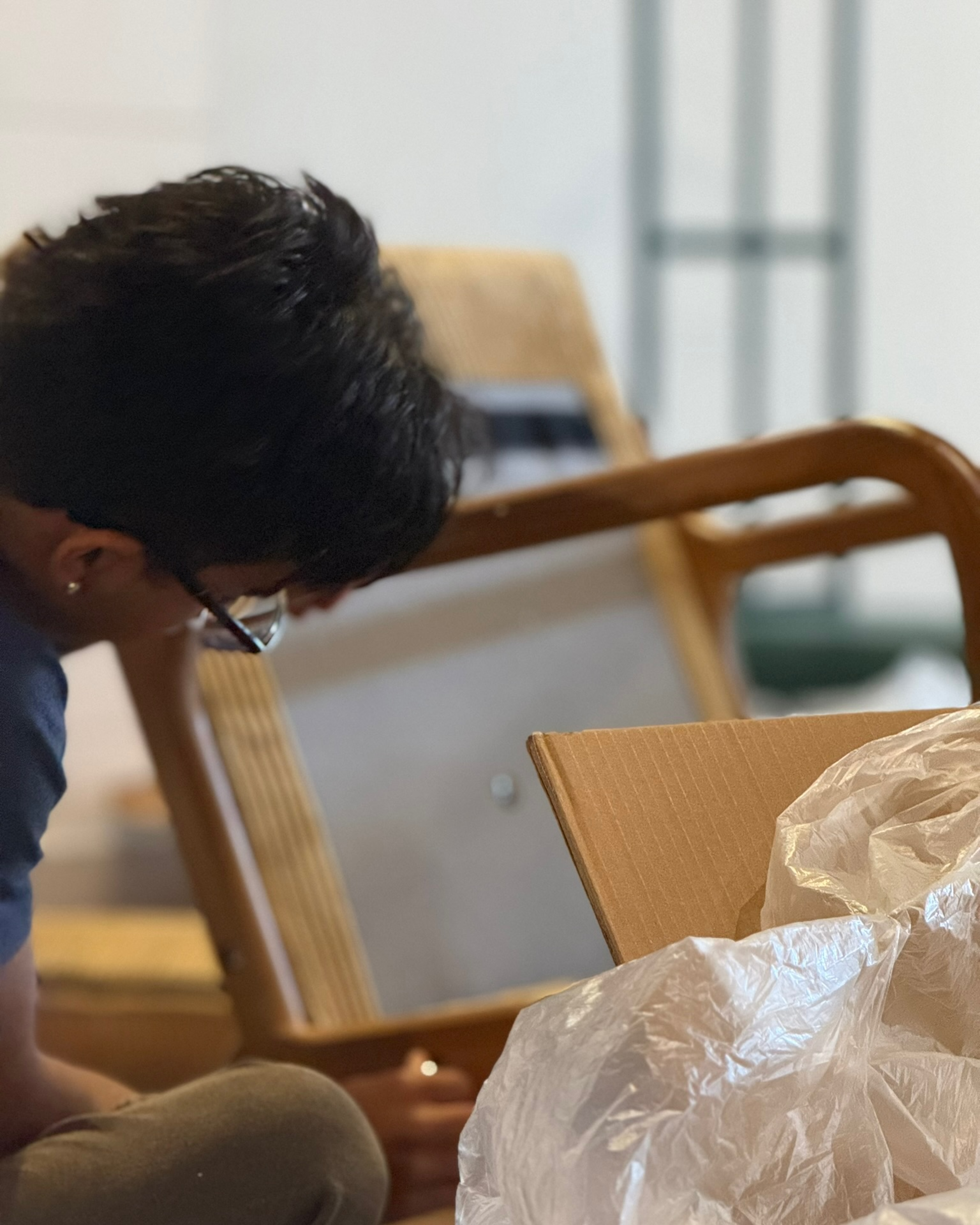
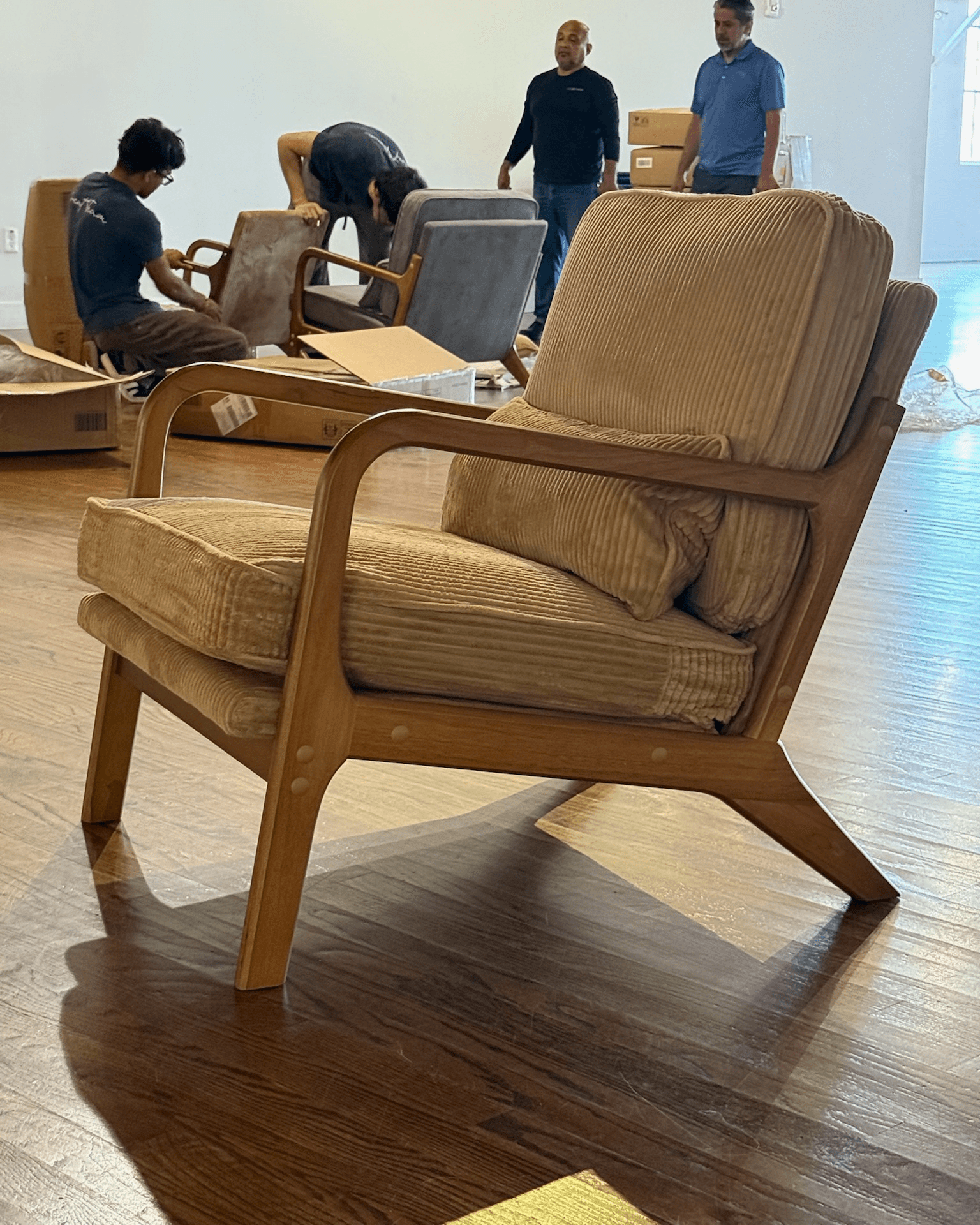
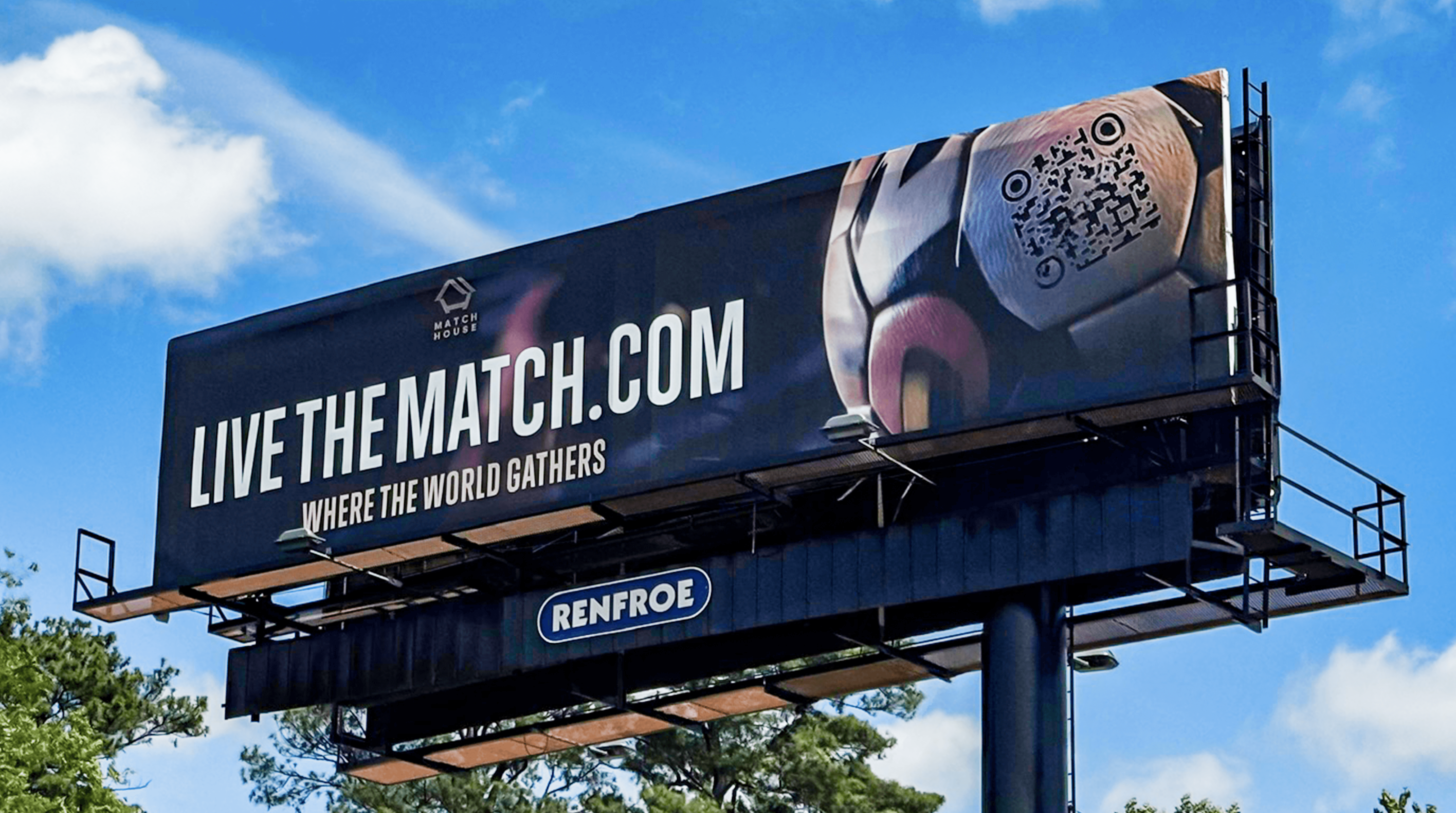
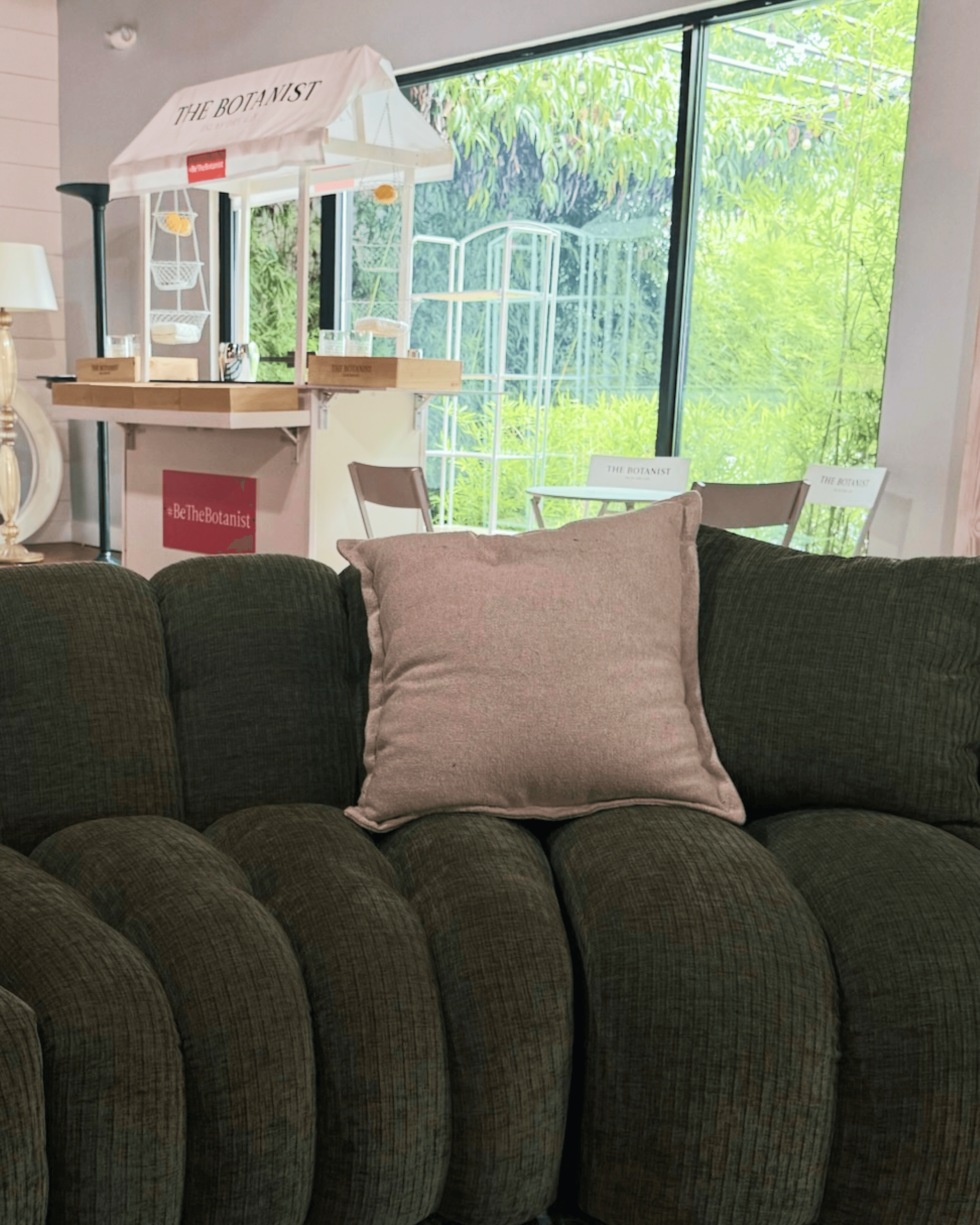
Create the identity, website, social system, campaign assets, menus, signage, wall art, interior environment, programming, OOH, collateral, and content.
Circulate
Use owned social, paid media, Eventbrite, influencers, programming, and partnerships to build awareness and drive attendance.


The Work
Brand Direction
Brand identity · Messaging · Copywriting · Graphic design · OOH · Marketing collateral
Content Direction
Social strategy · Social content · Campaign creative · Marketing strategy
Experience Direction
Website · Experience design · Interior design · Menus · Wall art · Signage · Programming · Sponsorship integration




Outcome
The activation sold 5,207 tickets across 1,998 orders.
Organic Instagram and Facebook activity generated 503.3K combined views, 12.2K interactions, 1,143 net new followers, and approximately 3.9K link clicks.
The creator program generated 254 pieces of content and approximately 777K impressions from 59 active creators.